Pages

Showing posts with label week 2. Show all posts

Thursday, October 22, 2020

Group Preformance

 What is the song you are doing?

I am doing Howls Moving castle on piano 

https://www.youtube.com/watch?v=2OuG_5XGATE

What is the song about

I'm not quite sure since it is from a movie 

Who is in your group? what is each person doing

Chara, Sierra, and I 

Which part of the song are you working on first?

I'm only doing the first bit of it 

How do you feel about performing in front of the class for the first time?

It's alright I am nervous in case they judge me and all but I think ill be fine if I just focus on the piano and the song 

Monday, August 3, 2020

Hannah HÖch


Hannah HÖch
Hannah Höch, née Anna Therese Johanne Höch, (born November 1, 1889
Hannah Höch was a German Dada artist known for her political photomontages. Made from newspaper clippings and found objects, her work often engaged with the early 20th-century ideal of the “New Woman”—one who challenged the traditional domestic role of females.
Höch’s bold collisions and combinations of fragments of widely circulated images connected her work to the world and captured the rebellious, critical spirit of the interwar period
Höch began her training in 1912 at the School of Applied Arts in Berlin-Charlottenburg, where she studied glass design with Harold Bengen until her work was interrupted by the outbreak of World War I.She went back to Berlin in 1915 and re enrolled at the School of Applied Arts, where she studied painting and graphic design
Höch and Hausmann cut, overlapped, and juxtaposed (usually) photographic fragments in disorienting but meaningful ways to reflect the confusion and chaos of the postwar era.
The artist is most commonly associated with her photomontage cut with a kitchen knife through a beer belly of the weimar republic (1919-1920) which critiqued the male-domnated political apparatus.


Thursday, July 30, 2020

Particle Theory

This week we are focusing on particle theory and fusion

Particles:
  • All matter is made up of particles.
  • All particles of one substance are identical
  • The particles of matter are in constant motion
  • Temperature affects the speed at which particles move
  • Particles have forces of attraction between them
  • There are spaces between particles. 

Aim:
Investigate if particles diffuse faster in hot or cold water.
Hypothesis:
I think that the particles will diffuse faster in hot water because I think that when particles are heated they move faster. 

Equipment:
  • 2 containers
  • Potassium Permanganate
  • Hot Water
  • Cold Water
Method:
  1. Fill one container with Hot water and the other with Coldwater.
  1. Add a little bit of Potassium Permanganate
  1. Observe the results


Monday, July 29, 2019

Dodgeball - The Beep Test


Dodgeball-
Dodgeball is a game where all you have to do is dodge the ball, and try not to get hit the face but there are tips and hacks for not getting hit by a flying ball. For people who don't know what dodgeball is it's a game where you get into teams of 10 (or more) people on each side, there will be a row in the middle of each team and the line is made of the balls once the teacher or adult or someone blows the whistle indicating for the game to start, everyone must run to the middle on stay on their side and throw the balls trying to get the other team out, if one team has fewer opponents and the other team wins. and that's how you play dodgeball folks. 

The Beep Test-
This test involves continuous running between two lines 20m apart in time to recorded beeps. For this reason, the test is also often called the beep or bleep test. After about one minute, a sound indicates an increase in speed, and the beeps will be closer together. This continues each level schools use this beep test to see their agility.

Monday, May 13, 2019

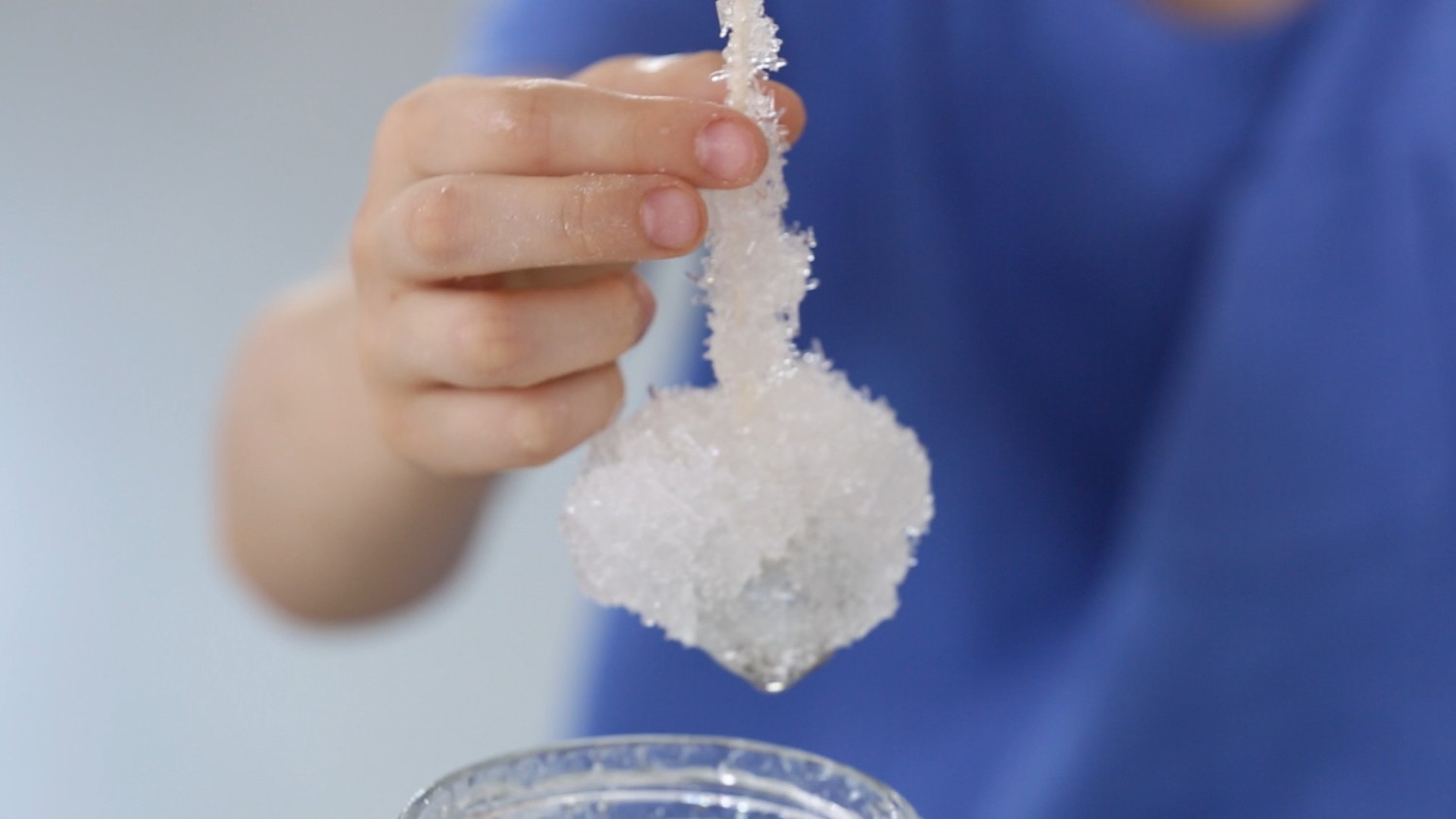
To learn about a saturated solution and how to make crystals

Aim: To learn about a saturated solution and how to make crystals
Definition of a solution: 
A liquid mixture, when something is dissolved into a liquid (eg: sugar in water) 

Image result for borax crystal image
Borax Crystals
Definition of saturated: 
Having or holding as much as can be absorbed of something (when no more sugar or borax can be dissolved into the water)


In groups of three, you will make three different types of crystals and compare the results.


Image result for borax crystals 

Ratio; 3 Tablespoons Borax per 1/2 cup water

Materials
1)Cup
2)Borax
3)Popsicle Sticks
4)warm water
5) pipe cleaners 

Process

Step 1: Get a cup and put three tablespoons of borax
Step 2: put warm water in the cup and take a stick and stir it until it looks like a solution 
Step 3: wait for a while and keep an eye on it 
Step 4: after a while stir it again and if it feels like there is still mush that's normal 
Step 5: stir for a while if it just feels thick stir faster but try not to spill it.
Step 6: once you think you've stirred enough stop and let it rest and keep an eye on it 

Sugar Crystals

Grow your own Sugar Crystals

Ratio: 1 cup sugar to 1/2 cup water

Materials

1)Cup
2)Sugar
3)Popsicle Stick
4)Warm water
5)String

Process

Step 1: take your cup and add sugar until it is halfway full 
Step 2: Put the warm water in and start to stir 
Step 3: stop stirring and wait for awhile keep eye on it
Step 4: stir it once again and do it fast not to fast that you spill it
Step 5: wait for 5 minutes 
Step 6: stir it until it becomes a yellow see-through liquid  


Image result for how to make salt crystals

Ratio: 4 Tablespoons salt to 1/2 cup water

Materials

1)Salt
2)Popsicle sticks
3)Cup
4)Warm water
5)String

Process

Step 1: take your cup and add four tablespoons of salt 
Step 2: Put the warm water in and stir for a while
Step 3: wait for 5 minutes
Step 4: stir fast and keep an eye on the color  
Step 5: after the wait and you see there is water at the top and salt at the bottom and you can see the separation that is normal
Step 6: stir for 10 minutes then wait for 5 minutes 


Findings
Describe your crystals in the table below.


Crystal Type
Shape
(Describe the shape)
Size
(of individual crystals)
Hardness
(Crumbly to Rock Hard)
Borax
Image result for borax crystal cubic


CubicSmall, Medium Hard-ish
Sugar
Image result for sugarcubic crystal


Trigonal, cubic small hard
Salt
Image result for salt cubic crystal


cubicMedium hard


What crystals worked out best and why?:

Conclusion:

________________________________________________________________________


After watching the videos as a class, explain how the following crystals are formed:


Type
Explanation
Salt
People take the water from the ocean and put it into a pond, so when it's a hot hot day the water will evaporate and all that will be left is the salt crystals


Sugar
People take cups and water then add sugar to it until it's clear and yellow-ish and they take a pencil or stick and wrap a string that's damp it in sugar and then they wait for a few days and wait to see crystallization. 


Snowflakes
Snowflakes are made out of clouds but the thing is that clouds have crystals in them and that's how rain and snowflakes are made. The crystals are formed from seawater so after it rains water goes up to clouds and the clouds crystallize the water. 


CRYSTAL TYPES


AIM: TO LOOK AT THE 7 DIFFERENT TYPES OF CRYSTALS


Image result for salt crystal image
Salt Crystals

Image result for sugar crystal image
Sugar Crystals

Image result for borax crystal image
Borax Crystals


7 different crystal shapes


The 7 types of crystals:


Type
Number of sides
2 examples
Image
Triclinic

7

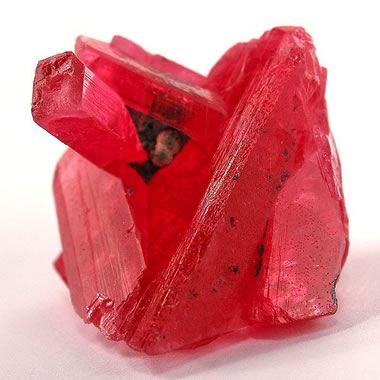
Turquoise Rhodonite

Image result for rhodonite
Monoclinic


7Orthoclase, mica Image result for orthoclase
Orthorhombic


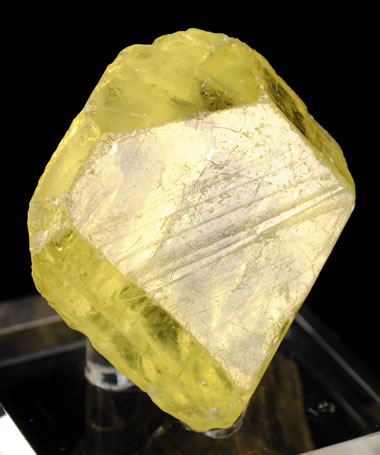
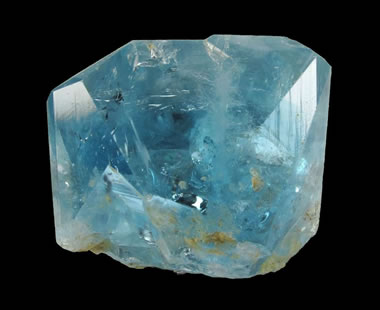
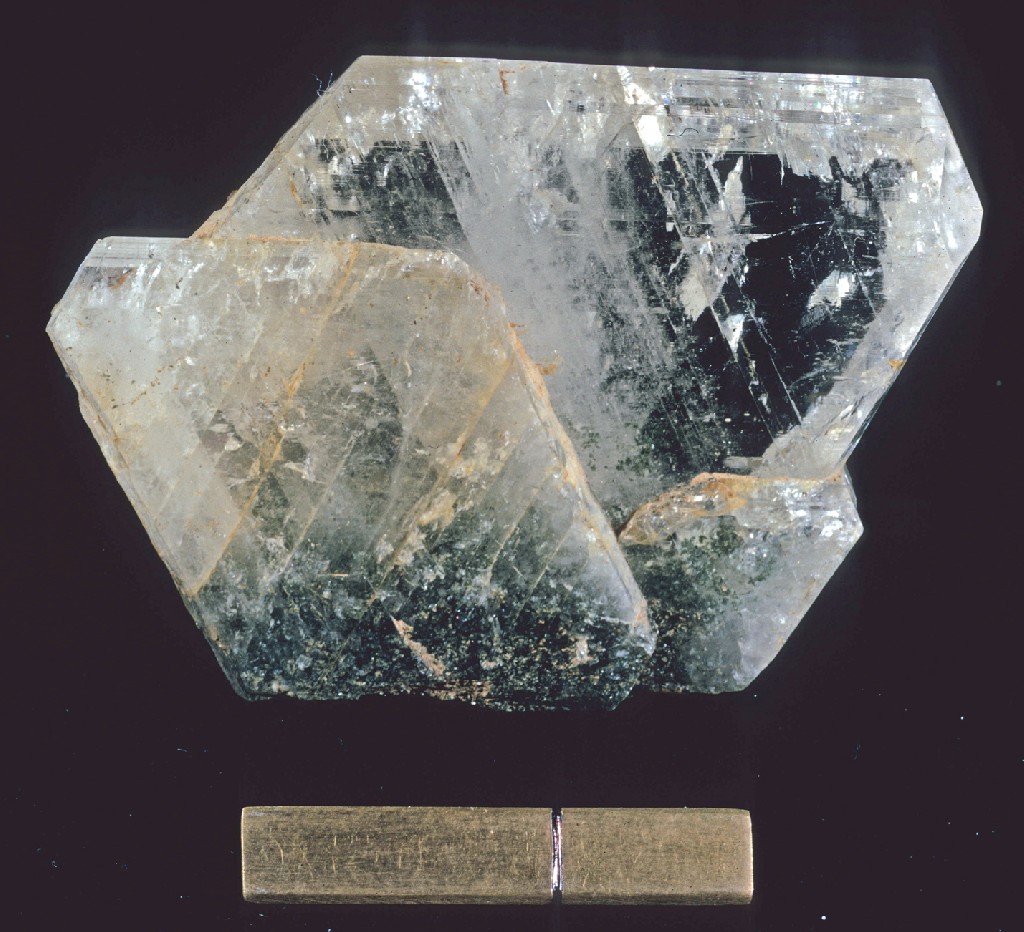
6Sulfur, TopazImage result for topaz
Trigonal


12Rutile, WulfeniteImage result for albite
Hexagonal


8quartz, calciteImage result for quartz
Cubic


6Pyrite, garnetRelated image
Tetragonal


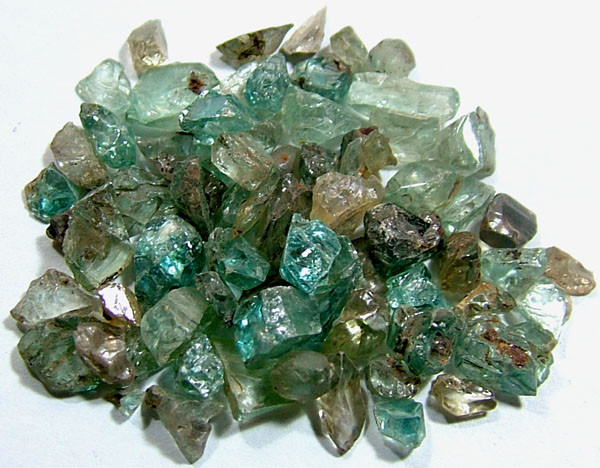
9Rhodonite, gypsumImage result for zircon